Understanding Chronic Kidney Disease
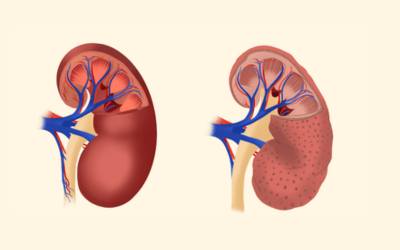
Chronic Kidney Disease (CKD) is a slow, progressive loss of kidney function over time. In early stages, it may not cause obvious symptoms—but if ignored, it can lead to kidney failure, requiring dialysis or transplant.
With early diagnosis and proper treatment, CKD progression can be slowed down, and complications can be prevented.
What Do Your Kidneys Do?
Your kidneys filter waste, excess water, and toxins from your blood. They also help regulate blood pressure, maintain electrolyte balance, and support red blood cell production.
Causes of Chronic Kidney Disease
- Diabetes (Type 1 or 2) – most common cause
- High blood pressure (Hypertension)
- Glomerulonephritis – inflammation of kidney's filtering units
- Polycystic kidney disease – a genetic disorder
- Repeated kidney infections or obstruction due to stones
- Prolonged use of painkillers or certain medications
Symptoms of CKD (Often Silent at First)
- Fatigue and weakness
- Swelling in legs, feet, or face
- Nausea, vomiting, or loss of appetite
- Decreased urine output or frothy urine
- High blood pressure
- Muscle cramps, especially at night
- Trouble concentrating or confusion in late stages
How is CKD Diagnosed?
- Blood tests – check for creatinine and eGFR (kidney function)
- Urine tests – check for protein leakage
- Ultrasound or imaging – to assess kidney size and structure
- BP and sugar monitoring – to identify risk factors
CKD Treatment in Jalandhar
While CKD can't be reversed, its progression can be slowed significantly with proper care:
1. Blood Pressure Control
Keeping BP under control (usually below 130/80 mmHg) is key.
2. Blood Sugar Management
In diabetics, strict sugar control reduces kidney damage.
3. Medications
- ACE inhibitors or ARBs to protect kidneys
- Diuretics for swelling
- Erythropoietin for anemia
- Phosphate binders for bone health
4. Diet & Lifestyle Changes
- Low-salt, low-protein diet
- Avoid processed foods and soft drinks
- Quit smoking and limit alcohol
- Regular physical activity
5. Regular Monitoring
Kidney function needs to be monitored regularly with labs and follow-ups.
When CKD Becomes Advanced
In Stage 5 CKD (kidney failure), patients may require:
- Dialysis – to filter waste when kidneys stop working
- Kidney transplant – in eligible patients
Don't Ignore the Signs
Chronic Kidney Disease often progresses silently until it becomes serious. If you have diabetes, high blood pressure, or family history of kidney issues, regular screening is crucial.
Consult a Kidney Specialist in Jalandhar
If you or your loved one is at risk or has been diagnosed with CKD, consult Dr. Shagun Sikka, Urologist and Kidney Specialist in Jalandhar, for personalized and long-term kidney care.
📞 Call 98140 61201 to book your appointment.
About Dr. Shagun Sikka

Dr. Shagun Sikka
MBBS, MS, MCh (Urology)
Renowned Nephrologist & Kidney Specialist
9+ Years Experience
Expert in CKD Management and Dialysis
Book Appointment