Understanding Kidney Cancer
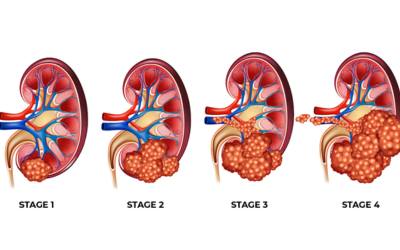
Kidney cancer, also known as renal cancer, usually starts in the lining of the small tubes in the kidney. The most common type is renal cell carcinoma (RCC). It can grow silently and is often found during imaging for unrelated reasons.
Common Symptoms of Kidney Cancer:
- Blood in the urine (even if only once)
- Persistent back or side pain
- A lump or swelling in the abdomen
- Fatigue or low energy
- Unexplained weight loss
- Occasional fevers with no clear cause
How Kidney Cancer is Diagnosed
Diagnosis typically involves:
- Ultrasound, CT scan, or MRI to detect and assess the tumor
- Blood and urine tests to check kidney function and look for signs of cancer
- Biopsy, in selected cases, to confirm the diagnosis
Treatment Options for Kidney Cancer
Treatment is tailored based on the size, location, and spread of the tumor, as well as the patient’s overall health. Options include:
1. Surgery
Surgery is the primary treatment for most kidney cancers:
- Partial Nephrectomy – only the tumor is removed, preserving as much kidney tissue as possible.
- Radical Nephrectomy – complete removal of the kidney, in cases where the tumor is large or centrally located.
Both open and minimally invasive options are available depending on the case.
2. Targeted Therapy
In cases where the cancer has spread, targeted drugs like sunitinib, pazopanib, or cabozantinib are used to block specific pathways cancer cells need to grow.
3. Immunotherapy
Medications such as nivolumab or ipilimumab can activate the body’s immune system to fight the cancer more effectively, especially in advanced stages.
4. Ablative Procedures
For patients who are unfit for surgery:
- Cryoablation (freezing the tumor)
- Radiofrequency Ablation (heating and destroying cancer cells)
These are considered in select low-risk cases.
5. Active Surveillance
In some cases, especially for small, slow-growing tumors in elderly or high-risk patients, regular monitoring with imaging may be preferred over immediate treatment.
Your Care Matters
What truly makes a difference in kidney cancer treatment is:
- Timely diagnosis
- Choosing the right treatment based on individual needs
- Careful preservation of kidney function whenever possible
- Follow-up and support throughout the recovery journey
When to Seek Medical Advice?
If you notice any of the following:
- Blood in urine
- Constant back or side pain
- Fatigue without cause
- A growing lump in the abdomen
Don’t ignore these signs. Early diagnosis greatly improves the chances of a cure.
Book a Consultation
If you or someone you know is experiencing symptoms or has been diagnosed with a kidney tumor, early consultation can make all the difference.
Call 98140 61201 to schedule an appointment with Dr. Shagun Sikka, Urologist in Jalandhar.
About Dr. Shagun Sikka

Dr. Shagun Sikka
MBBS, MS, MCh (Urology)
Renowned Urologist & Kidney Cancer Specialist
9+ Years Experience
Expert in Minimally Invasive Kidney Surgery
Book Appointment